
Let’s learn the advantages of the practical experience that an educational tour, especially for MBA students, has to offer.
Let’s face the truth—just learning in the classroom and reading books and cases may only get us so far in life. If you are an aspiring MBA student, then surely you have fantasized about yourself in a real company with real problems and real decisions to make. This is where the concept of educational tours for MBA students comes in.
It is not just any ordinary trip; it is more of an experience where one can get to see how businesses operate behind the scenes. Instead of imagining how a company works, you get to witness it. And trust me, that changes everything.
Why Educational Tours Matter in an MBA Journey
In today’s fast-paced business world, businesses need not just knowledge, but also understanding and application of that knowledge. By seeing concepts in action, we are much more likely to understand and retain that concept. They want people who understand how things work in real situations. That’s why MBA industry exposure trips are becoming such an important part of management education.
Think about it—reading about supply chain management is one thing. But standing inside a manufacturing unit and seeing the process live? That’s a completely different level of learning.
These MBA student industry visits help you connect what you learn in books with what actually happens in companies. And that connection is what makes your knowledge strong and useful.
Getting Real Industry Exposure
One of the biggest advantages of these tours is the MBA students’ real-world exposure they provide. You don’t just observe—you interact.
During corporate visits for MBA students, you often get a chance to:
- Talk to managers and executives
- Ask questions about real business challenges
- Understand decision-making processes
- Learn what companies actually expect from employees
For example, imagine visiting a corporate office and listening to a marketing head explain why a campaign failed and what they learned from it. That kind of insight doesn’t come from textbooks.
This kind of industry exposure benefits MBA students by building confidence and giving clarity about career paths.
Practical Learning That Actually Stays With You
Let’s be real—most of us forget what we study after exams. But experiences? They stay.
That’s the power of practical learning for MBA students. Learning concepts in real-life situations can make them more comprehensible and easier to retain.
For example:
- A visit to the factory can teach the concept of production planning in real life.
- A visit to the logistics center can teach the concept of supply chain management in real life.
- A visit to the office can teach the concepts of HR, finance, and marketing in real life.
The practical training trips offered by the MBA course make the learning more interesting and meaningful. It is not just rote learning; it is learning.
Key Benefits of Educational Tours for MBA Students
The advantages of the educational tours are not limited to the learning aspect of the MBA course. It can also contribute to the overall development of the students.
Some of the key advantages are:
- Better Understanding of Business Operations: You can get a real-life picture of how businesses operate.
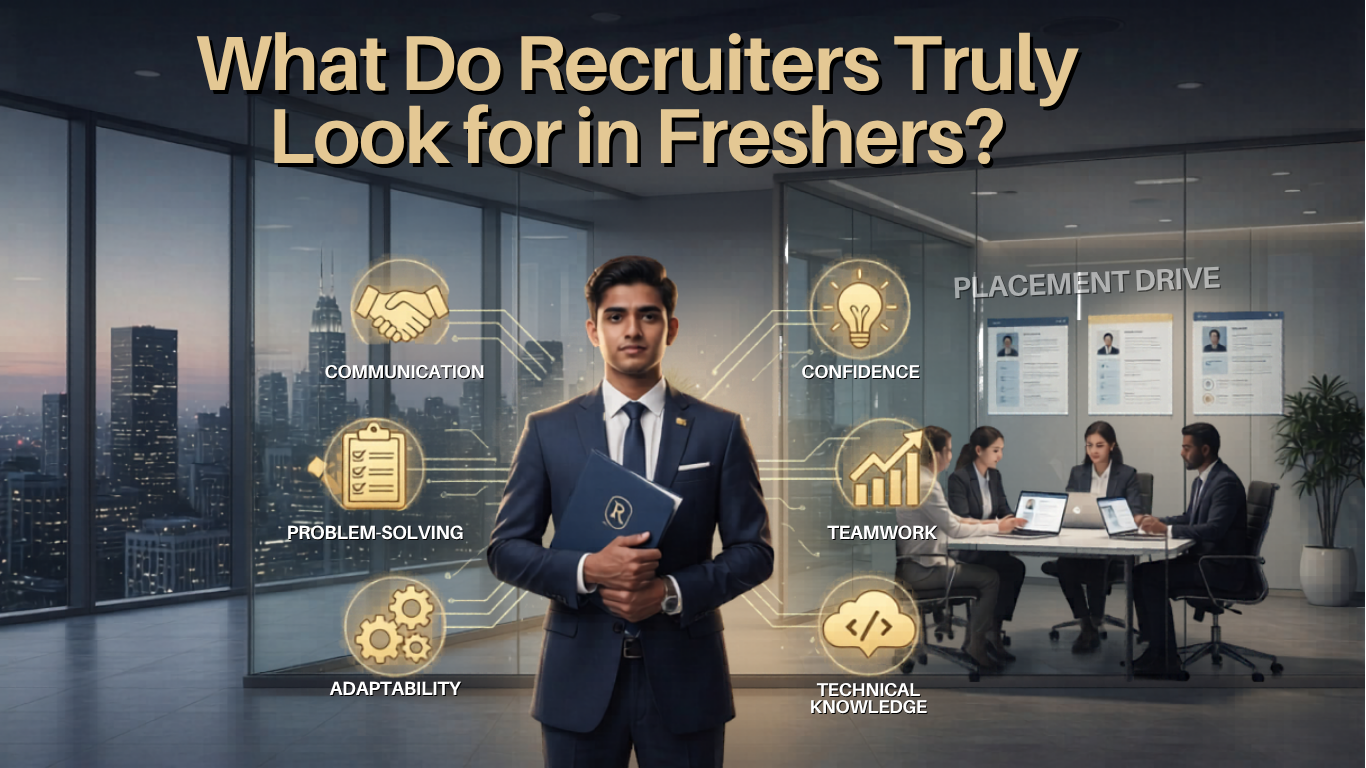
- Skill Development: Communication, teamwork, observation, and problem-solving skills improve naturally.
- Networking Opportunities: Meeting people in the industry can lead to internship or job opportunities.
- Career Clarity: Seeing different industries can help you decide on the right industry for you.
- Confidence Building: Meeting people in the industry and experiencing the work environment can help build confidence in oneself.
All these factors contribute to educational tours and MBA career growth, making you more prepared for the corporate world.
Learning Beyond the Classroom
One thing every MBA aspirant should understand is this: learning doesn’t just happen inside four walls.
MBA field trips for industry learning are an opportunity for students to step out and explore. This kind of MBA student learning outside the classroom is what makes management education complete.
When you see how companies are tackling problems, managing teams, and coping with pressure, you start thinking differently. You start analyzing things rather than just studying them.
This is what we call experiential learning for MBA, or learning by doing and experiencing.
The Importance of Educational Tours in MBA
The importance of educational tours in MBA lies in the fact that they help to bridge the gap between theoretical and practical knowledge. This helps students understand the importance of applying the knowledge gained to practical situations. Thus, students would not just be able to learn, but would also be able to apply what they learn.
Educational tours enable students to think in a practical way, understand the challenges, and adjust to the professional world with a problem-solving attitude. In short, you are not just preparing to crack exams—you are preparing to crack your career.
Conclusion
In conclusion, if you are interested in building a strong career in the field of management, you need to look beyond theoretical knowledge. You need to gain experience and confidence too, and this is exactly what you get by taking up educational tours for MBA students.
Whether you take up MBA industry exposure tours or corporate tours for MBA students, you will always benefit from the experience.
At FBS Business School, students are given the opportunity to go beyond textbooks through industry visits, practical learning sessions, and real-world exposure. With well-designed FBS Business School programs and career-focused FBS MBA courses, students also benefit from strong FBS Business School career support, helping them step confidently into the business world.
In the end, it’s not just about getting an MBA—it’s about becoming ready for the real world. And these experiences make all the difference.