In today’s competitive job market, your resume is more than just a document — it is your personal marketing tool. Before you ever step into an interview room, your resume speaks on your behalf. In fact, most recruiters spend only a few seconds scanning a resume before deciding whether to continue reading or move on.
That means your resume must do one thing exceptionally well: make an impact quickly and clearly.
If you have ever wondered why some candidates consistently get interview calls while others do not, the difference often lies in how effectively their resume communicates value. This guide will walk you step-by-step through creating a professional resume that truly stands out.
1. Begin with a Clean and Professional Structure
The first thing a recruiter notices is layout. A resume that looks cluttered or confusing may never get read fully, no matter how qualified you are.
Keep your design simple and structured:
- Use professional fonts such as Calibri, Arial, or Helvetica
- Maintain consistent spacing and margins
- Use clear section headings
- Stick to black text on a white background
- Use bullet points for readability
Avoid unnecessary graphics, heavy colours, or decorative elements unless you are applying for a creative role. Remember, your goal is clarity and professionalism.
2. Include the Essential Sections
A strong resume covers the basics thoroughly. At minimum, your resume should include:
• Contact Information
Your full name, professional email address, and phone number. Keep it simple and professional.
• Professional Summary
This is a short 2–3 sentence introduction at the top of your resume. Think of it as your elevator pitch. It should briefly highlight your experience, strengths, and career focus.
For example:
Detail-oriented finance graduate with strong analytical skills and hands-on internship experience in financial reporting. Seeking an entry-level role to contribute to data-driven decision-making.
• Work Experience
List your roles in reverse chronological order (most recent first). For each job, include:
- Job title
- Company name
- Duration
- Key achievements and contributions
• Education
Include your degree, institution name, and graduation year.
• Skills
Mention both:
- Hard skills (technical abilities like Excel, coding, accounting software)
- Soft skills (communication, teamwork, leadership)
Optional but valuable additions include certifications, projects, volunteer work, languages, and awards. These sections can help differentiate you from other candidates.
3. Focus on Achievements, Not Just Responsibilities
One of the most common mistakes people make is listing duties instead of results.
For example:
X Responsible for managing social media accounts.
- Increased Instagram engagement by 45% in six months through targeted content strategy.
See the difference? The second statement shows impact. Recruiters are not just interested in what you were assigned to do — they want to know how well you did it.
Whenever possible, include measurable results such as:
- Percentages
- Revenue figures
- Growth numbers
- Time saved
- Performance improvements
Numbers make your accomplishments more credible and impressive.
4. Use Strong Action Words
Start your bullet points with powerful action verbs. This makes your resume sound confident and dynamic.
Examples include:
- Led
- Implemented
- Developed
- Increased
- Designed
- Achieved
- Streamlined
Instead of saying, “Was part of a team,” say, “Collaborated with a team of five to launch a new marketing campaign.”
Strong verbs instantly elevate your professional tone.
5. Tailor Your Resume for Each Job Application
One resume does not fit all.
Before submitting your application:
- Carefully read the job description
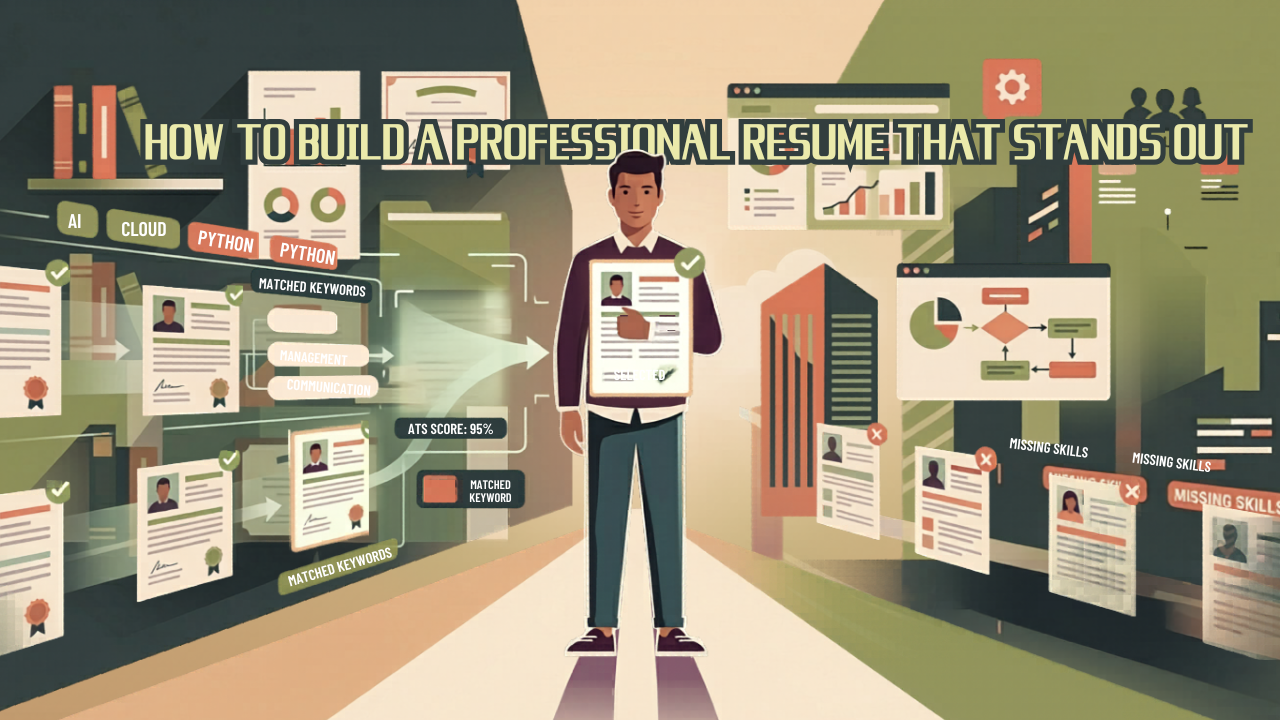
- Identify important keywords
- Match your skills and experiences to those requirements
Many companies use Applicant Tracking Systems (ATS) to filter resumes. Including relevant keywords increases your chances of passing this initial screening.
Customizing your resume may take extra time, but it significantly increases your interview chances.
6. Keep It Concise and Relevant
A common misconception is that longer resumes are more impressive. In reality, clarity matters more than length.
- Freshers and early professionals should aim for one page
- Experienced professionals may extend to two pages
Avoid adding outdated or irrelevant experiences. Focus on what supports your current career goals.
7. Proofread Carefully
Even a single spelling or grammatical mistake can create a negative impression. It may suggest a lack of attention to detail.
Before sending your resume:
- Use grammar checking tools
- Read it aloud
- Ask a friend or mentor to review it
- Check formatting consistency
Professionalism includes precision.
8. Present Yourself Confidently, But Honestly
Your resume should highlight your strengths confidently without exaggeration. Employers value authenticity. Be prepared to explain anything you include in your resume during an interview.
If you mention a skill, ensure you can demonstrate or discuss it confidently.
9. Consider the Overall Impression
Ask yourself:
- Does this resume clearly show my value?
- Can a recruiter quickly understand what I bring to the table?
- Is it easy to read within 10 seconds?
If the answer is yes, you are on the right track.
Final Thoughts
A professional resume that stands out is not about flashy design or complicated language. It is about clarity, relevance, and impact.
When you:
- Highlight measurable achievements
- Use strong action words
- Tailor your resume for each job
- Keep formatting clean and professional
- Proofread carefully
you transform your resume from a simple document into a powerful career tool.
Remember, your resume is not just a summary of your past. It is a bridge to your future opportunities.
If crafted thoughtfully, it can open doors you once thought were out of reach.